
Spring Plumbing Checklist for Willow Grove Homes: Prevent Sewer Backups and Clogs
Spring brings warmer weather, heavy rainstorms, and melting snow, but it also reveals plumbing problems that may have been building all winter. Many homeowners first notice slow drains, unusual odors, or recurring clogs during this time of year.
At Cooper Mechanical Services, we’ve been serving homeowners throughout Bucks and Montgomery County since 1930. After nearly a century of plumbing service calls, we’ve learned that most serious sewer issues begin with warnings that appear in early spring.
Understanding what to look for and addressing problems early can protect your plumbing system before seasonal conditions make issues worse. Our spring plumbing checklist helps homeowners in Willow Grove avoid clogged drains, sewer backups, and sewer line repairs.
Summary: Your Spring Plumbing Checklist for Healthy Drains and Sewer Lines
It’s normal for spring weather to reveal hidden plumbing issues caused by winter buildup, shifting soil, and increased rainfall. Slow drains, recurring clogs, foul odors, or multiple backups can also indicate developing sewer line damage.
A proactive homeowner should:
- Check indoor drains
- Inspect outdoor drainage
- Schedule preventive drain cleaning
Professional tools such as a drain camera inspection help plumbers detect problems like tree roots in sewer lines, cracks in underground pipes, and developing blockages before they lead to a full sewer backup.
Bottom line: seasonal plumbing maintenance is the most effective way to protect your system and avoid emergencies.
Why Spring Causes More Drain and Sewer Problems
Spring plumbing issues are extremely common in older communities like Willow Grove because seasonal conditions place new stress on underground pipes.
During winter, grease, soap residue, and debris accumulate inside pipes while outdoor ground conditions remain frozen. Once temperatures rise and water usage increases, these materials can create a clogged drain or restrict flow within the sewer system.
Spring storms introduce groundwater and storm runoff. Heavy rain saturates the soil around underground pipes. If a pipe has small cracks or weak joints, water pressure from outside the pipe can force debris inside the system.
At Cooper Mechanical Services, some of the most common sewer backup causes we see in spring include:
- Winter debris buildup inside pipes
- Tree roots growing into sewer lines
- Shifting soil around underground plumbing
- Heavy rainfall overwhelming drainage systems
- Aging sewer pipes deteriorating underground
When multiple factors combine, they create the perfect conditions for a sewer backup inside the home.
What Happens When Drain Problems Are Ignored
Homeowners sometimes assume that a slow drain is a minor inconvenience. In reality, slow drainage is usually the first stage of a developing blockage.
As debris builds inside pipes, water flow becomes restricted. This creates pressure in the plumbing system, which allows additional materials to accumulate inside the pipe. Over time, this buildup can cause:
- Recurring clogs
- Sewage odors in drains
- Water backing up into sinks or tubs
- Full sewer line blockages
Ignoring these early drain problems allows them to worsen until emergency plumbing service becomes necessary. Our plumbers find that routine drain clog prevention helps remove buildup early before the pipe becomes completely blocked.
The Spring Plumbing Checklist Willow Grove Homeowners Should Follow
Want to prepare your plumbing for spring? Follow our spring plumbing checklist for homeowners in Montgomery County.
1. Check Sinks and Showers for Slow Drainage
Start by running water in every sink, tub, and shower in your home.
Pay attention to how quickly the water drains. If water pools before draining or drains slowly, you may have the beginning of a clog forming deeper in the pipe. Other signs of a developing clogged drain include:
- Gurgling sounds
- Water bubbling in nearby fixtures
- Odors coming from drains
These symptoms typically appear before a full blockage occurs. Professional drain cleaning can remove buildup early and restore water flow.
2. Inspect Outdoor Drainage Around Your Home
Outdoor drainage plays a major role in protecting underground plumbing.
Leaves, winter debris, and mulch can clog outdoor drains and prevent stormwater from flowing away from the home. When water collects near the foundation, it increases pressure on underground sewer lines.
This pressure contributes to cracks and pipe separation. Sufficient drainage around the property helps reduce the risk of a heavy rain sewer backup during spring storms.
3. Look for Signs of Sewer Line Damage
Some plumbing issues originate deep underground and may not be visible at first. However, homes often show subtle warning signs when sewer lines are failing. Common signs of damage include:
- Multiple drains backing up at once
- Persistent sewage odors in the home
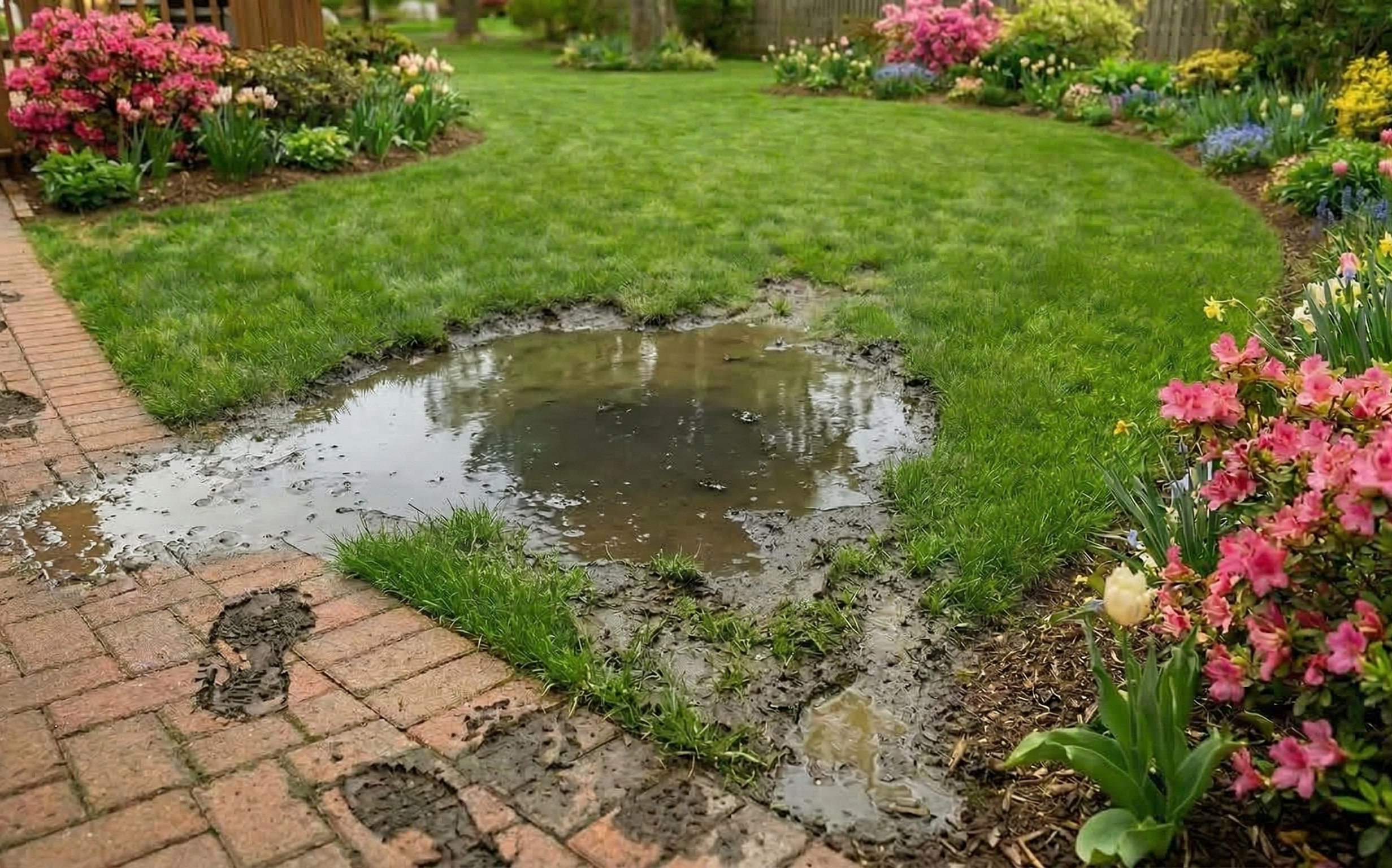
- Wet or sunken areas in the yard
- Unusually green patches of grass
- Slow drains throughout the house
Once these symptoms appear, scheduling a professional inspection is the safest next step. Our team frequently uses a drain camera inspection to identify the exact location of the problem without digging.
4. Schedule Preventive Drain Cleaning
Professional drain cleaning is one of the most effective ways to protect your plumbing system. Over time, pipes collect layers of grease, soap residue, hair, and food waste. These materials gradually narrow the inside of the pipe until water flow becomes restricted.
Spring is an ideal time for drain cleaning because winter often causes additional buildup from increased indoor plumbing use. Regular cleaning helps prevent future blockages and keeps water flowing.
5. Watch for Tree Roots in Sewer Lines
Tree root intrusion is one of the most common causes of sewer line damage in established neighborhoods throughout Montgomery County.
Roots naturally seek moisture. Even the smallest crack in a sewer pipe can attract them. Once roots enter the pipe, they expand and trap debris moving through the system. This creates recurring clogs and eventually pipe damage.
Signs of tree roots in sewer line systems include:
- Frequent drain clogs
- Gurgling toilets
- Slow drainage throughout the home
6. Check Basement Floor Drains
Basements are usually the first place that sewer backups appear. Floor drains connect directly to the main sewer line, which means they can reveal early pressure buildup in the system.
During your spring inspection, pour water into basement floor drains and observe how quickly it drains. If the drain produces odors or drains slowly, it could indicate there are blockages developing inside the sewer line.
Taking action early can help prevent sewer backup before dangerous wastewater enters the home.
7. Test Toilets for Hidden Drain Issues
Toilets are another indicator of sewer line problems. A toilet that flushes slowly, bubbles, or struggles to refill may be due to pressure building within the plumbing system.
If multiple toilets experience these issues simultaneously, it could be a deeper sewer blockage. Early diagnosis can prevent significant plumbing damage.
8. Be Aware of Heavy Rain Sewer Backup Risks
Spring storms in Pennsylvania place significant stress on sewer systems. When heavy rain saturates the ground, stormwater can enter damaged pipes or overwhelm municipal sewer systems.
This sometimes results in a heavy rain sewer backup, where wastewater flows back toward the home. Maintaining clear drains and functioning sewer lines helps reduce the likelihood of backups during storms.
9. Consider a Camera Drain Inspection for Older Homes
Our plumbers have found that many homes in Willow Grove and surrounding communities have sewer lines that are decades old. These older pipes may crack, shift, or deteriorate. Unfortunately, these problems are rarely visible from inside the home.
A camera drain inspection allows plumbers to view the inside of pipes without excavation. Using a small waterproof camera, this process helps identify:
- Pipe cracks
- Collapsed sections
- Root intrusion
- Debris buildup
10. Improve Household Habits to Prevent Drain Clogs
Many plumbing issues are the result of everyday habits.
Certain materials should never be flushed or washed down drains. For effective drain clog prevention, avoid putting these items into drains:
- Grease or cooking oil
- Coffee grounds
- Paper towels
- “Flushable” wipes
- Hygiene products
Understanding how to prevent drain clogs at home dramatically reduces plumbing emergencies.
Why Sewer Backups Are a Serious Problem
Sewer backups are more than an inconvenience. They also present significant health risks.
Wastewater, for example, contains harmful bacteria and contaminants that can spread quickly through a home. Even a minor backup can damage flooring, drywall, and furniture while introducing bacteria into the living environment.
Preventive plumbing inspections from the team at Cooper Mechanical Services are the best defense against these issues.
The Value of Seasonal Plumbing Maintenance
Plumbing systems operate year-round but experience different stresses depending on the season.
Winter freezing temperatures, spring rainfall, summer storms, and fall debris all affect underground pipes.
Routine seasonal plumbing maintenance helps homeowners detect problems before they become emergencies. A spring inspection is especially valuable because it reveals issues caused by freezing winter weather conditions.
Why Cooper Mechanical Services Focuses on Underlying Causes
At Cooper Mechanical Services, our technicians focus on identifying the underlying cause of plumbing issues rather than applying temporary fixes.
When we investigate drain problems, we evaluate the entire plumbing system rather than simply clearing the blockage. This may involve:
- Performing a camera drain inspection
- Checking for root intrusion
- Evaluating pipe condition
- Identifying sewer line damage
This approach helps homeowners avoid recurring plumbing problems and provides lasting solutions.
How Early Sewer Line Repair Prevents Major Damage
Detecting sewer problems early usually means simpler, less expensive repairs.
Minor cracks or root intrusion can sometimes be addressed before the pipe collapses completely. If ignored, however, sewer line damage may eventually require extensive excavation and pipe replacement.
Early sewer line repair protects the plumbing system, the structure of the home, and your wallet.
FAQs
The most common sewer backup causes include grease buildup inside pipes, tree root intrusion, damaged sewer lines, and excessive rainfall overwhelming drainage systems.
Most homes benefit from professional drain cleaning every one to two years to remove buildup and prevent recurring drain problems.
The best way to prevent drain clogs is to avoid putting grease, wipes, or debris into drains and to schedule routine plumbing inspections.
During a drain camera inspection, one of our trained plumbing professionals will insert a waterproof camera into the pipe to locate blockages, cracks, or root intrusion.
Don’t Wait—Schedule a Spring Plumbing Inspection in Willow Grove
Spring is the ideal time to evaluate your plumbing system and address small issues before they become major repairs. If you’re noticing slow drains, recurring clogs, or other warning signs, it may be time for a professional inspection.
At Cooper Mechanical Services, our fourth-generation family business has been serving Montgomery County since 1930. Our plumbers focus on diagnosing problems accurately, providing detailed estimates, and delivering lasting plumbing solutions.
A simple inspection today can prevent serious plumbing problems tomorrow. Get ahead and call now before trouble strikes!