
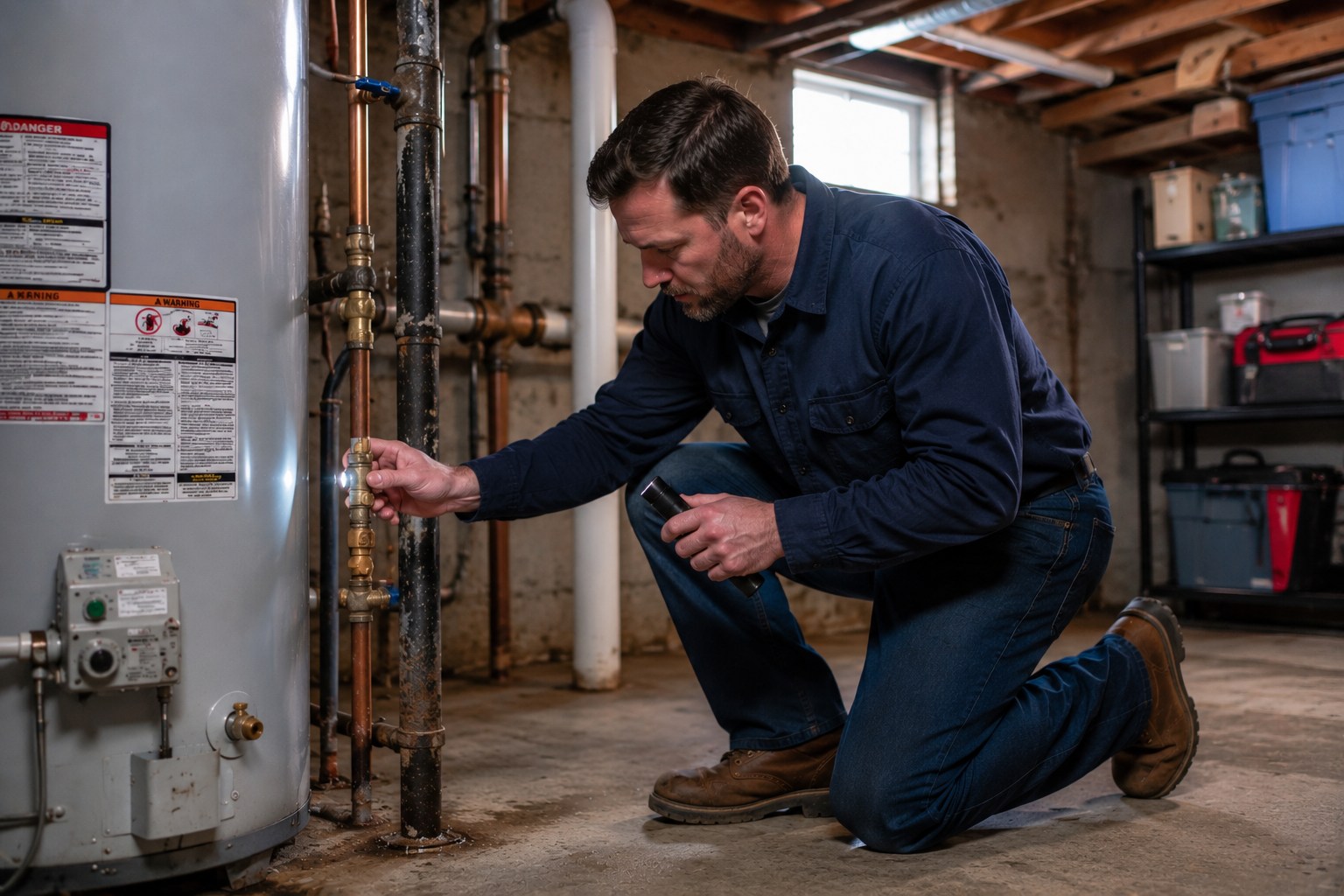
Spring Plumbing Maintenance Tasks Every Homeowner Should Do
Spring brings a long list of home maintenance tasks that shouldn’t be ignored. Cooper Mechanical Services has served homeowners across Willow Grove, Horsham, Abington, and the greater Philadelphia region since 1930. Over nearly a century of plumbing service, spring is consistently the season when we see the highest volume of calls for issues that could have been prevented with a simple plumbing checklist completed a few weeks earlier.
This guide walks you through the most important spring plumbing maintenance tasks, including what to check, why it matters, and when to call a professional before a small issue becomes a big one.
In the spring, you should inspect your pipes, test your outdoor faucets, check your water heater, look for signs of water damage, and clear your drains. Catching small issues now prevents major and costly repairs later. If anything looks wrong or you’re unsure, schedule an inspection with a licensed plumber.
Key Takeaways
- Our spring plumbing checklist covers indoor and outdoor plumbing, appliances, and drainage
- Preventive plumbing maintenance costs less than emergency repairs
- A licensed plumber can catch what homeowners miss, especially inside walls, crawl spaces, and utility areas
Why Spring Plumbing Maintenance Matters
Southeastern Pennsylvania winters are unpredictable. Even when temperatures don’t drop to dangerous extremes, the repeated cycle of freezing and thawing puts real stress on plumbing systems throughout Willow Grove, Jenkintown, Lansdale, and surrounding communities.
A spring maintenance appointment is how you catch the damage winter left behind.
First, Walk Through Your Home with Fresh Eyes
One of the best plumbing maintenance tips we give homeowners is simple: do a walk-through of your home before you do anything else.
Look underneath every sink. Check the ceiling below the upstairs bathrooms. Open the cabinet under your kitchen sink. Look at exposed pipes in the basement and utility room. Look for:
- Water stains
- Soft or warped materials around cabinets or walls
- Visible rust or corrosion on pipe fittings
- Any sign of moisture that wasn’t there before
Catching these signs of trouble during a spring walkthrough is always better than finding them after water has already spread behind your walls.
Check Every Outdoor Faucet and Hose Bib
Outdoor plumbing is one of the most overlooked areas and one of the most vulnerable to winter damage.
When water freezes inside a hose bib or outdoor faucet, it expands and can crack the fitting or the connected pipe. In many cases, the faucet itself appears fine from the outside. Plumbing pipe damage is hidden further inside the wall, which means you may not notice a problem until water starts running where it shouldn’t.
What to do:
- Turn on each outdoor faucet one at a time
- Let it run for 30 seconds and check for consistent water pressure
- Listen for any hissing or gurgling from inside the wall
- Check the area around the hose bib for moisture or soft drywall after the water runs
If you notice low pressure, unusual sounds, or any moisture near the wall, stop using that faucet and call a plumber.
Inspect Indoor Pipes, Especially in Unheated Spaces
Basements, crawl spaces, garages, and utility rooms in homes throughout Montgomery County are susceptible to pipe damage from cold, especially in homes where insulation may be minimal.
Check all accessible pipes in these areas. Look for:
- Cracks or splits along the pipe
- Discoloration or mineral buildup around joints
- Sagging or shifted pipe sections
- Areas where pipe insulation has deteriorated or fallen away
Even hairline cracks can allow slow leaks to develop over weeks or months, and those small leaks are a primary driver of mold growth, structural damage, and high water bills.
Test Your Sump Pump Before the Heavy Rain Season
Spring in the Philadelphia region brings significant rainfall. To test your sump pump, pour a bucket of water directly into the sump pit. The pump should activate quickly, remove the water, and shut off automatically. If it runs continuously, doesn’t activate, or makes grinding or rattling noises, it needs to be serviced before the rainy season arrives.
A failed sump pump during a spring downpour can mean thousands of dollars in basement water damage. Testing takes two minutes. Replacing a flooded basement takes months.
Flush Your Water Heater
Sediment builds up inside your water heater tank over time, especially in areas where water hardness tends to be moderate to high. This sediment settles at the bottom of the tank and forces the heater to work harder, which shortens the unit’s lifespan and raises your energy bills. Flushing the tank annually removes that buildup.
Signs your water heater may have sediment issues:
- Popping or rumbling sounds when it heats
- Inconsistent water temperature
- Longer time to get hot water at the tap
- Visible rust or discoloration in hot water
If your water heater is more than 10 years old and has never been flushed, schedule an inspection with a licensed plumber rather than attempting it yourself. Older units can have corroded drain valves that fail during the flush process.
Clear Your Drains and Check for Slow Flow
Slow drains are one of the most common plumbing problems the Cooper Mechanical Services team sees in spring. Test every drain in your home by:
- Running water in each sink and observe how quickly it drains
- Checking the shower or tub drain for pooling water
- Flushing each toilet and make sure it clears in a single flush
- Looking under sinks after running water
Do not use chemical drain cleaners to address slow drains. They are hard on pipes and often mask a deeper blockage without resolving it. Professional drain cleaning clears the actual clog and gives you a clear picture of the condition of your drain lines.
Look for Running or Leaking Toilets
Toilets that run continuously or leak at the base are often dismissed as minor annoyances. According to the EPA, a leaking toilet can waste 200 gallons of water per day.
Quick test for a running toilet: Add a few drops of food coloring to the tank. Wait 15 minutes without flushing. If color appears in the bowl, the flapper valve is leaking and needs to be replaced.
Plan a Professional Plumbing Inspection
A homeowner walkthrough is valuable, but it has limits. Much of your home’s plumbing runs behind walls, under floors, and through spaces you simply cannot see. A licensed plumber brings diagnostic tools, experience, and trained eyes that catch what homeowners miss.
At Cooper Mechanical Services, our inspections follow a thorough process. We don’t just look at the symptoms—we look for the underlying cause. That’s the Cooper Standard: going beyond what’s expected to make sure the work is done right.
A spring inspection is a good idea if:
- Your home is more than 20 years old
- You’ve noticed any signs of water damage, staining, or odor
- Your water pressure has changed
- You didn’t have your system checked before winter
Our team is fully licensed, insured, and available 24/7 for emergencies. A live person answers every call because we know plumbing problems don’t keep business hours.

FAQs
How do I know if my pipes were damaged over the winter?
Look for water stains on ceilings and walls, soft spots near baseboards or under sinks, discoloration around pipe joints, or an unexplained increase in your water bill. Low water pressure at a specific fixture is also a strong indicator of pipe damage. If you’re unsure, a professional inspection can identify hidden issues before they cause significant damage.
What are the most common plumbing problems homeowners see in spring?
After winter, we most frequently see cracked or split outdoor hose bibs, water heater sediment buildup, slow or partially blocked drains, running toilets, and minor pipe leaks at joints. Many of these issues go unnoticed through winter because they develop slowly.
How often should I schedule a professional plumbing inspection?
Most plumbing professionals recommend a full inspection every one to two years for homes under 20 years old. For older homes in Willow Grove and surrounding areas with original cast-iron or galvanized plumbing, annual inspections are strongly recommended.
Can I do maintenance myself, or do I need a plumber?
There are several things homeowners can do themselves. However, DIY maintenance only goes so far. A professional plumber should handle anything involving your water heater, any suspected pipe damage behind walls, drain blockages, and sump pump issues. Attempting repairs without the right tools or experience can turn a minor issue into a more expensive one.
Schedule Plumbing Maintenance with Cooper Mechanical Services
If you’ve worked through this checklist and found anything that concerns you, Cooper Mechanical Services is here to help.
We’ve been serving homeowners in Willow Grove, Horsham, Abington, Lansdale, and throughout Montgomery County since 1930. Our team is family-owned, fully licensed, and committed to finding the root cause of every issue rather than applying a quick fix. We answer every call with a live person, offer 24/7 emergency service, and hold ourselves to the Cooper Standard—a level of quality that goes beyond what manufacturers and local codes require.
Your home’s plumbing deserves more than a seasonal checkup. It deserves a team that takes it as seriously as you do. Contact Cooper Mechanical Services today!