
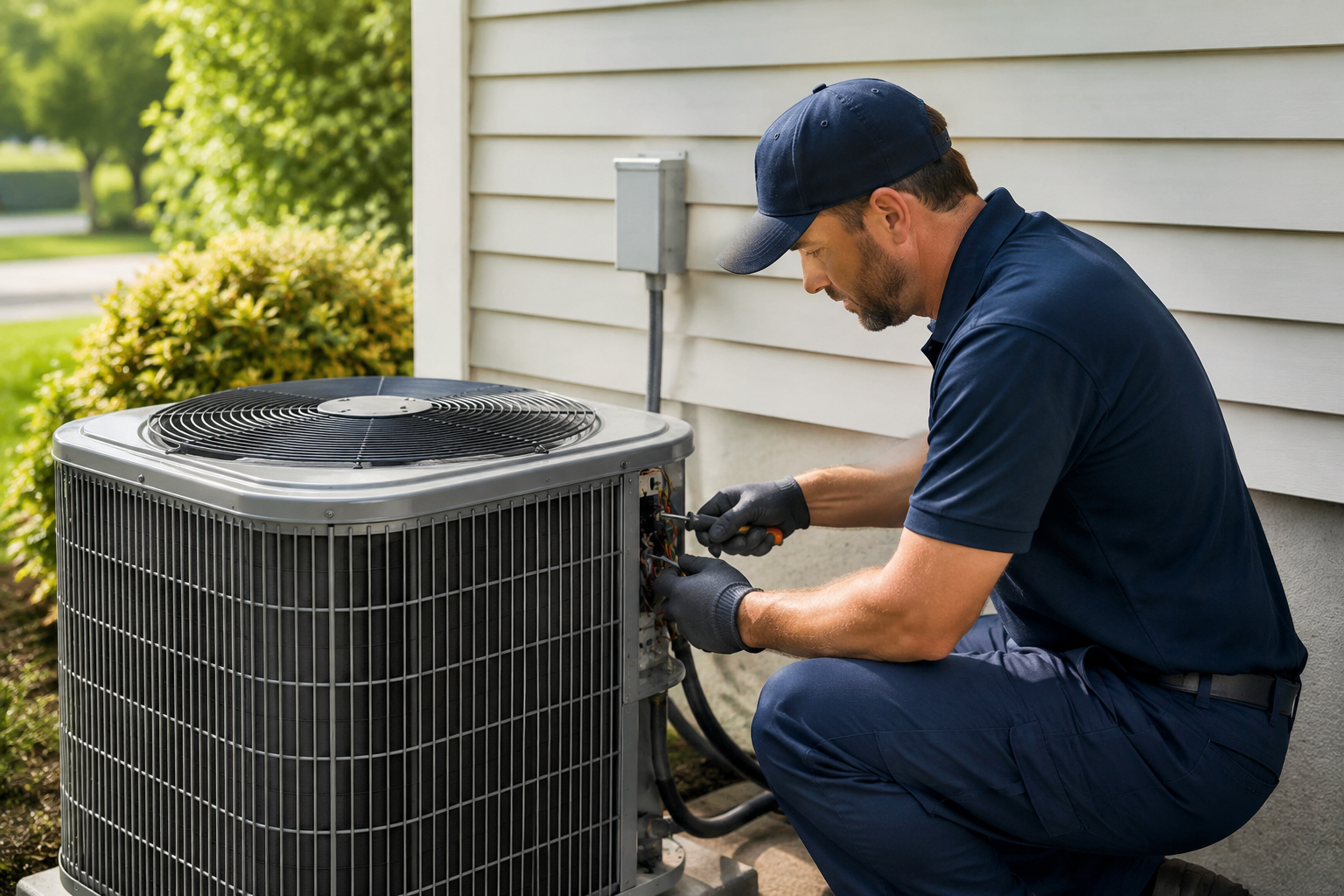
Stay Cool This Summer with These AC Maintenance Tips
Summer in Willow Grove, PA, means heat, humidity, and an air conditioner that runs hard every single day. The difference between a system that keeps up and one that breaks down in the middle of July usually comes down to one thing: HVAC maintenance.
Cooper Mechanical Services has been servicing air conditioning systems across the greater Philadelphia area since 1930. This guide gives you the same AC maintenance tips our technicians rely on, so you can stay comfortable all season long.
Regular AC maintenance prevents breakdowns, reduces energy bills, and extends the life of your system. The most important tasks include changing your air filter, cleaning your coils, clearing your condensate drain, and scheduling a professional AC tune-up once a year.
Key Takeaways
- Change your air filter every 1–3 months to maintain airflow and indoor air quality
- Dirty evaporator and condenser coils are one of the leading causes of AC inefficiency
- A clogged condensate drain can cause water damage and system shutdowns
Why AC Maintenance Matters
Your air conditioner manages humidity, filters airborne particles, and keeps your home comfortable through hot days. When it’s not maintained, every one of those functions suffers.
By the time the system breaks down, a simple tune-up has turned into a major AC repair or a full replacement. Routine air conditioner service isn’t just about comfort. It’s about protecting an investment that costs thousands of dollars to replace.
How to Maintain Air Conditioners: Your AC Maintenance Checklist
1. Change Your Air Filter Regularly
The air filter is the first line of defense for your HVAC system. It catches dust, pet dander, pollen, and other airborne particles before they enter the equipment. When it gets clogged, your system has to work harder to reach your target temperature.
How often should you change AC filters?
- Standard 1-inch filters: every 30–60 days
- Thicker media filters (4–5 inches): every 6–12 months
- Homes with pets or allergy sufferers: more frequently
What to do: Check your filter monthly. Hold it up to the light. If you can’t see light through it, it’s time to replace it.
2. Clean AC Coils
Your air conditioning system has two sets of coils: the evaporator coil and the condenser coil. Both need to be clean to transfer heat effectively.
- Evaporator coil: When dirt builds up on the evaporator coil, it blocks the coil’s ability to absorb heat. The result is reduced cooling capacity, longer run times, and a system that struggles to reach your thermostat setting.
- Condenser coil: The outdoor unit sits in the elements all season. Grass clippings, cottonwood, leaves, and debris collect against the condenser fins. When the coil can’t release heat, components wear out faster.
What to do: Gently rinse the outdoor unit with a garden hose at the start of the season. For evaporator coil cleaning, schedule professional service. The evaporator is located inside your air handler and requires proper tools to clean without damaging it.
3. Clear the Condensate Drain Line
As your AC removes humidity from the air, that moisture has to go somewhere. It drips off the evaporator coil into a drain pan and exits through the condensate drain line. Over time, algae and mold can grow inside that line.
When the drain backs up, water overflows the pan. Depending on where your air handler is located, this can mean water damage to ceilings, walls, or flooring. Many modern systems will shut down entirely when the float switch detects a backup.
What to do: Flush the condensate drain line with a cup of diluted white vinegar every few months during cooling season. If your system has a secondary drain pan, check it periodically.
4. Inspect and Clean Your Vents and Registers
Supply and return vents need to be open and unobstructed to maintain proper airflow throughout your home. We commonly find vents blocked by furniture, rugs, or curtains.
Closing vents in unused rooms might seem like a way to save energy, but it actually increases static pressure in your duct system, which strains the blower motor and can lead to duct leaks.
What to do: Walk through your home and confirm that all supply and return vents are open and clear. Vacuum the vent covers to remove dust buildup. If certain rooms feel warmer than others, it may indicate a duct or airflow issue worth having professionally evaluated.
5. Check Your Thermostat Settings
Your thermostat controls when and how your system runs. If it’s miscalibrated, positioned near a heat source, or set inefficiently, it can cause the system to cycle and drive up energy costs.
What to do: Test your thermostat by setting it a few degrees below room temperature and confirming the system kicks on within a minute or two. If you’re still using an older manual thermostat, upgrading to a programmable or smart thermostat can reduce your cooling costs.
6. Inspect the Outdoor Unit
The condenser unit outside takes a beating through fall and winter. Before cooling season begins, a basic visual inspection can catch problems early.
What to check:
- Clear any debris that has collected around or inside the unit
- Confirm the unit is level
- Check that nothing is growing against the unit that would restrict airflow
- Look for bent fins on the condenser coil
What to do: Keep at least 18–24 inches of clearance around the outdoor unit on all sides. Avoid planting shrubs directly next to it.
7. Test the System Before Summer Hits
Don’t wait until the first 95-degree day to find out your system isn’t working. Turn your AC on during a mild spring day and let it run for a full cycle. Listen for unusual sounds, check that air is coming from all vents, and verify the system reaches your set temperature.
8. Schedule a Professional HVAC Tune-Up
There’s a limit to what a homeowner can do from the outside. A professional tune-up covers everything on this list and goes deeper.
At Cooper Mechanical Services, our technicians don’t just run through a checklist and move on. We look at the bigger picture and make sure the system is properly matched to your home, running efficiently, and set up for a full season without problems. That’s the Cooper Standard, and it’s something we’ve held ourselves to for nearly a century.

FAQs
How often should I service my air conditioner?
Air conditioners should be professionally serviced once a year, ideally in the spring before cooling season begins.
Can I do AC maintenance myself?
Homeowners can handle several tasks, including changing the filter, clearing debris from the outdoor unit, flushing the condensate drain, and checking vents for obstructions. However, anything involving refrigerant, electrical components, or internal coil cleaning should always be handled by a licensed HVAC technician.
What happens if I skip my annual AC tune-up?
Systems that don’t receive regular maintenance run less efficiently, consume more energy, and break down more often. Most manufacturer warranties also require documented annual maintenance. Skipping service can void your coverage.
How long should an air conditioner last?
A well-maintained central air conditioning system typically lasts 15–20 years. Systems that are not maintained regularly often fail at 10–12 years or sooner.
Schedule Your AC Tune-Up with Cooper Mechanical Services
If your air conditioner hasn’t been serviced this year, now is the time. A single visit from one of our licensed technicians can mean the difference between a comfortable summer and an emergency repair call on the hottest day of the year.
Cooper Mechanical Services has been keeping homes in Willow Grove, Horsham, Hatboro, and the greater Philadelphia area cool since 1930. We’re fully licensed and insured, and every technician on our team is trained to the Cooper Standard. Call us today to schedule your AC maintenance appointment.